Platform Teams Succeed by Tracking Tool Adoption Weekly Not Monthly
Platform teams invest heavily in building and maintaining internal tools. The hope is that developers will adopt those tools, workflows will standardize, and productivity will climb. But adoption is not a one-time event. It decays. And if you are measuring it only once a month, you are probably discovering problems weeks after they started. Weekly tracking changes that. It gives platform teams a feedback loop short enough to act before momentum is lost.
The Monthly Dashboard Mirage
Monthly dashboards are seductive. They offer a clean, aggregated view of tool usage across teams. But that cleanliness comes at a cost: latency. A monthly report that lands on the first of the month reflects data that is already two to four weeks old. By the time you see a dip, the behavior that caused it has already solidified.
Many platform teams fall into the trap of confusing output with outcome. They report numbers like total builds run or total deployments made. Those are outputs. The real outcome is whether developers are willingly and consistently using the platform tools. Output metrics can stay flat while adoption quietly erodes. For example, a team might still trigger the same number of deployments but have shifted most of their actual work around the platform, using it only as a pass-through.
Adoption decay happens faster than monthly dashboards can capture. A developer tries a new tool, hits friction, and reverts to their old workflow within a week. If you are checking usage monthly, that blip is invisible. By the next report, the tool might show steady numbers from the remaining users, masking the churn. The decay compounds.
Spotify's early squad model famously struggled with this. Squads were given autonomy to choose tools, but platform teams measured adoption monthly. By the time a dip was visible, the squad had already built a workaround and the platform tool was effectively dead. Weekly tracking would have caught the drift within days.
Why Weekly Adoption Tracking Works
A weekly feedback loop shortens the time between problem emergence and detection. When platform teams see usage drop from one week to the next, they can investigate immediately. Maybe a new version broke a workflow, or documentation was misleading. Fixing it within days preserves trust. Waiting a month means developers have already adapted to the workaround.
Tool usage correlates strongly with developer satisfaction. A 2023 survey by the Continuous Delivery Foundation found that teams with high tool adoption reported 30% higher job satisfaction. But satisfaction is fragile. A single bad experience can sour a developer on a tool for months. Weekly tracking lets platform teams identify pain points before they become grudges.
DORA metrics—deployment frequency, lead time for changes, mean time to restore, change failure rate—benefit from weekly sampling. A monthly snapshot can miss spikes in change failure rate that indicate a tooling issue. Weekly data smooths out noise while preserving signal. You can see whether a deployment pipeline change actually improved lead time week over week.
Weekly tracking also serves as an early warning system for shadow IT. When developers stop using an approved tool, they often start using something else. A sudden drop in internal CLI usage might mean a team discovered a SaaS alternative. Catching that within a week gives the platform team a chance to address the gap or negotiate a better solution.
Netflix's rollout of Spinnaker is a case in point. The platform team tracked adoption weekly during the initial rollout. When usage dipped in the third week, they discovered that a configuration change had broken a common use case. They fixed it in days, and adoption recovered. A monthly report would have shown a successful first month, masking the crisis that nearly killed the project.
The Cost of Waiting a Month
Unused tools become sunk cost quickly. Platform teams often spend months building a tool, only to see it languish. Monthly reports hide the speed of that decline. A tool that loses 10% of its users each week will show a 40% drop after a month, but the monthly report will only show the final number, not the trajectory.
Developers revert to old workflows when new tools frustrate them. The reversion is rarely binary. They might use the new tool for the easy cases and fall back to the old one for complex scenarios. Over a month, that hybrid pattern becomes habit. Breaking the habit later requires retraining, which is expensive and often resisted.
Training investment evaporates when adoption stalls. A platform team might run onboarding sessions, write documentation, and record demos. If adoption drops within weeks, that investment is wasted. Weekly tracking shows whether training actually stuck. If usage declines after the first week, the training was insufficient or the tool was too hard.
Monthly reports hide inflection points. A sudden spike in support tickets might indicate a bug or a confusing UI change. If you only look at monthly aggregates, you might attribute the tickets to normal variation. Weekly data reveals the spike and allows correlation with releases or configuration changes. One month can mean a 20% adoption drop if the tool becomes unreliable. That loss is often permanent.
What to Measure Every Week
Active users per team is the most straightforward metric. Count unique developers who interacted with the tool at least once in the week. A steady or growing number signals health. A decline in a specific team warrants investigation. But raw counts are not enough. You need to know whether the tool is being used for its intended purpose or just as a gate.
Feature usage frequency reveals which parts of the tool are valuable and which are ignored. If a feature sees zero usage for three consecutive weeks, consider deprecating it. Conversely, a feature that grows quickly might deserve more investment. Track usage at the feature level, not just the tool level.
Time-to-first-value for new joiners is a leading indicator. If new developers take longer than a week to complete their first successful task with the tool, the onboarding is too heavy. Weekly tracking of this metric helps platform teams iterate on documentation and defaults.
Support ticket volume per tool is a lagging indicator but useful when examined weekly. A sudden increase in tickets often precedes a drop in adoption. If ticket volume doubles in a week, something is wrong. The platform team should triage before developers abandon the tool.
NPS-style sentiment via quick polls can supplement quantitative data. A single question—"How likely are you to recommend this tool to a teammate?"—sent weekly to a random sample of users gives a pulse. Keep it short. One question, one click. Aggregate the results weekly to spot trends.
Building a Lightweight Tracking System
Instrument CLI tools and APIs to emit telemetry on every invocation. A simple POST to an internal endpoint with the tool name, feature used, user ID, and timestamp is enough. Do not over-engineer. Start with the data you already have in logs. Many platform tools already log to stdout or syslog. Pipe those logs into a central pipeline.
Use existing telemetry pipelines. If your organization already uses a log aggregator like Elasticsearch or a metrics platform like Datadog, reuse them. Creating a new pipeline for adoption data adds maintenance overhead. Tag the events with a consistent identifier like tool:my-cli and action:deploy.
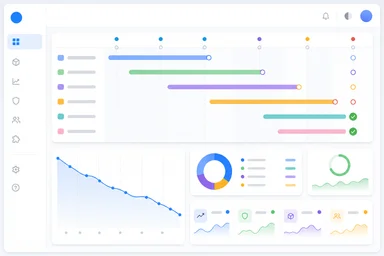
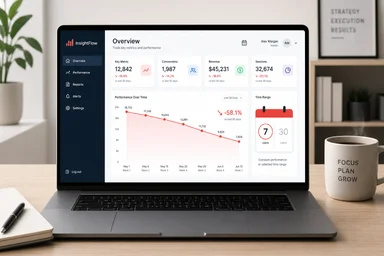
Dashboards in Grafana or similar tools can visualize weekly trends. A simple line chart of active users over time, broken down by team, is sufficient. Add a threshold line for the minimum acceptable adoption. When the line dips below, trigger an alert. Keep the dashboard focused. Too many charts create noise.
Automate alerts for drop thresholds. If active users drop by more than 10% in a week, send a notification to the platform team channel. If a feature goes unused for two weeks, flag it for review. Alerts should be rare enough to be meaningful. Tune thresholds based on historical data.
Avoid adding toil for developers. Telemetry should be invisible. Do not ask developers to fill out forms or submit feedback manually. Instrument the tool itself. If you must ask for explicit feedback, limit it to one weekly question, and make it optional. The goal is to measure, not to burden.
Three Common Pitfalls to Avoid
Vanity metrics like total logins or total API calls can mislead. A developer might log in once and let a script run 10,000 times. That looks like heavy usage but reflects no actual engagement. Measure active users and feature usage instead. Total logins are a vanity metric. Active users are a health metric.
Comparing teams without context breeds resentment. A team that handles legacy systems might use a deployment tool less frequently than a team building new microservices. Weekly adoption numbers should be used to identify trends within a team, not to rank teams. Share the data with the platform team only, not across teams.
Ignoring qualitative feedback is a mistake. Numbers tell you what is happening, but not why. Pair weekly metrics with lightweight interviews or a feedback channel. A drop in usage might be due to a legitimate workflow mismatch that no dashboard can reveal. Talk to developers. The data points to the conversation.
Overreacting to weekly noise is risky. Adoption fluctuates naturally. Holidays, on-call rotations, and project phases all affect usage. Do not panic over a single week dip. Look for two consecutive weeks of decline before acting. Set a rule: three weeks of decline triggers a review. This filters out noise while catching real decay.
An anecdotal check: some estimates put adoption plateaus around week three. Many tools see a spike in the first week as developers try them, then a drop as the novelty fades. If adoption stabilizes at 80% of the initial spike after three weeks, the tool has likely found its steady state. Weekly tracking helps identify that plateau.
From Tracking to Real Adoption
Weekly reviews with the platform team only keep the data actionable. Gather for 30 minutes each week to review the dashboards. Discuss dips, celebrate wins, and decide on interventions. The meeting should be short and data-driven. No slides. Just the dashboard and a list of action items.
Celebrate quick wins publicly. When a team adopts a tool after a fix, share that in a company-wide channel. Positive reinforcement encourages other teams to try. Adoption is social. Developers talk to each other. A visible success story can pull a tool past the tipping point.
Remove friction based on usage data. If the data shows that a feature has high usage but also high support tickets, the feature is probably confusing. Simplify it. If a feature has low usage and low tickets, it might be undiscovered. Add a tip or a shortcut. Let the data guide the roadmap.
Iterate tooling every two weeks. Platform teams should ship improvements on a cadence that matches the feedback loop. A two-week iteration cycle aligns with weekly data: one week to analyze, one week to ship. This keeps the tool responsive without overloading the platform team.
Etsy's continuous deployment team provides a model. They tracked deployment tool adoption weekly during a major migration. When usage dipped, they paused the rollout, fixed the issue, and resumed. The migration completed ahead of schedule because they caught problems early. Weekly tracking turned adoption from a hope into a process.
Platform teams that measure adoption weekly are not reacting to history. They are responding to the present. That shift from hindsight to insight makes the difference between a tool that thrives and one that becomes another line item on a monthly report.
Trade-offs: Weekly vs. Monthly — When Each Makes Sense
Weekly tracking is not a universal solution. It requires investment in instrumentation, dashboard maintenance, and regular team reviews. For a small platform team supporting a handful of tools, the overhead might outweigh the benefits. Monthly reporting may suffice if the tool is stable, adoption is high, and feedback channels are direct. However, the risk of missing early decay remains.
One trade-off is alert fatigue. Weekly data can produce false positives if not tuned properly. A holiday week or a major incident can cause a temporary dip that looks alarming but resolves itself. Teams must set thresholds carefully and avoid over-alerting. A rule of thumb: only act on two consecutive weeks of decline, and always verify with qualitative input before making changes.
Another trade-off is the potential for micromanagement. If platform teams react to every weekly fluctuation, they may introduce unnecessary changes that confuse developers. The goal is not to optimize each week in isolation but to maintain a healthy trend over time. Weekly tracking should inform, not dictate, decisions.
For organizations with high developer autonomy, weekly tracking can feel intrusive. Developers may perceive it as surveillance. To avoid this, frame the tracking as a service improvement tool, not a performance metric. Share aggregated data only with the platform team, and emphasize that the goal is to reduce friction, not to judge usage. Transparency about what is tracked and why builds trust.
In some cases, a hybrid approach works best. Track core platform tools weekly, but only review secondary tools monthly. This balances the cost of tracking with the value of early detection. For example, a deployment pipeline tool that is critical to daily work deserves weekly attention, while a rarely used code generator can be checked monthly. Prioritize based on impact and usage volume.
Counter-argument: What If Developers Resist Weekly Telemetry?
Some developers argue that telemetry is a form of surveillance that erodes autonomy. They worry that data will be used to evaluate their performance or to justify tool mandates. This concern is valid. Platform teams must address it head-on by being transparent about what data is collected, how it is used, and who has access. A clear policy that prohibits using adoption data for individual performance reviews can alleviate fears.
Another counter-argument is that weekly tracking encourages short-term thinking. Platform teams might optimize for weekly usage numbers at the expense of long-term tool quality. For example, they might add features that boost usage temporarily but add complexity. To avoid this, tie weekly metrics to outcomes like developer satisfaction and productivity, not just usage counts. If a tool shows high usage but low satisfaction, that is a warning sign.
Finally, some teams argue that monthly reporting is sufficient because major issues will be caught by support tickets or word of mouth. However, this relies on developers proactively reporting problems, which many do not. Weekly tracking provides a systematic safety net that catches issues before they escalate. The cost of implementing it is often lower than the cost of recovering from a failed tool rollout.
Measuring Success: Beyond Adoption Numbers
Adoption is not the only metric that matters. Platform teams should also track developer satisfaction, productivity gains, and business outcomes. A tool with high adoption but low satisfaction is a candidate for redesign. Conversely, a tool with moderate adoption but high satisfaction may need better marketing or onboarding.
One way to measure satisfaction is through a quarterly developer survey that asks about tool experience. Compare survey results with weekly adoption data to identify correlations. For example, a drop in adoption might coincide with a drop in satisfaction, confirming that the tool needs improvement. Without weekly data, the correlation might be missed.
Productivity gains can be measured through time saved. If a tool reduces deployment time from 30 minutes to 5 minutes, that is a clear win. Track the time saved per week and compare it to adoption rates. A tool that saves time but has low adoption may have a discovery or usability problem.
Business outcomes like faster time-to-market or reduced incident count can be linked to tool adoption. For example, teams that adopt a standardized deployment pipeline may see fewer production incidents. Weekly tracking of both adoption and incident rates can demonstrate the value of platform tools to leadership. This data justifies continued investment.
Conclusion: Weekly Tracking as a Cultural Shift
Switching from monthly to weekly adoption tracking is more than a process change. It is a cultural shift toward continuous improvement. Platform teams that embrace weekly feedback loops become more responsive, more aligned with developer needs, and more effective at delivering value. The cost is modest: a few hours of instrumentation and a weekly review meeting. The benefit is early detection of decay, reduced waste, and higher developer satisfaction.
In a world where developer experience drives retention and productivity, platform teams cannot afford to be blind to adoption trends for a month. Weekly tracking provides the visibility needed to act fast. It turns adoption from a lagging indicator into a leading one. And that makes all the difference.