UK Type 2 Diabetes Remission Data Outpace GP Referrals to Weight Management
In 2017, the Counterbalance trial at Newcastle University showed that a very low-calorie diet could reverse type 2 diabetes in nearly half of participants within a year. Since then, NHS England has rolled out soup-and-shake programmes, and national guidelines have embraced remission as a treatment goal. Yet the referral pipeline from GP surgeries to these programmes has not kept pace. For a condition that affects roughly 5 million people in the UK, the gap between what the evidence says and what happens in practice is widening.
Remission Evidence Grows, Referrals Stall
Data from the NHS Diabetes Prevention Programme indicate that among those who completed the low-calorie meal replacement programme, roughly 40% achieved remission—defined as an HbA1c below 48 mmol/mol without glucose-lowering drugs—at two years. Weight loss averaged 6–12 kg, and the effect was most pronounced in people who had been diagnosed within the previous six years.
Despite these results, GP referrals to Tier 3 weight management services have remained flat since 2022, according to NHS Digital figures. Some clinical commissioning groups report referral rates below 10 per 100,000 adults with obesity. The reasons vary: clinician inertia, a lack of awareness that remission is possible, and long waiting lists that can stretch beyond 12 months. Some GPs also express doubts about which patients are suitable candidates, given that trial populations were younger and had shorter diabetes duration than the average patient.
In interviews, primary care physicians describe a system where the evidence moves faster than local protocols. One GP in the North West told a reporter that she had only recently added remission to her list of discussion points with newly diagnosed patients, largely because she had attended a conference. Without such exposure, many clinicians default to a stepwise approach that starts with metformin and delays referral until complications arise.
The result is a mismatch: a growing evidence base on one side, and a referral system that seems designed for an earlier era when remission was not considered possible. The NHS Long Term Plan set a target to treat 2.4 million people with obesity in specialist services by 2023–24, but the most recent data show that fewer than half that number have been referred.
Why Remission Rates Exceed Clinical Expectations
The Counterbalance trial, led by Professor Roy Taylor at Newcastle, reported that 46% of participants achieved remission at one year, and 36% at two years. The remission rates were higher among those who lost more than 15 kg. These figures are comparable to short-term outcomes after bariatric surgery, though surgery tends to produce more durable weight loss.
The mechanism is now fairly well understood. Rapid calorie restriction—typically 800–850 calories per day from meal replacements—reduces fat stored in the liver and pancreas. Lower liver fat improves insulin sensitivity, and less pancreatic fat allows beta cells to resume insulin secretion. The effect can occur within weeks, long before substantial weight loss has been achieved.
Critics point out that trial participants were highly motivated and received intensive support that is not always replicated in routine NHS care. The DiRECT trial, which embedded the programme in general practice, showed that real-world remission rates can be around 30% at two years, still impressive but lower than the trial results. The difference probably reflects less rigid adherence to the diet and less frequent follow-up.
Nevertheless, the consistency of the findings across multiple studies—including the PREVIEW trial and a recent meta-analysis of 22 studies—has shifted the consensus. The American Diabetes Association now includes remission as a treatment goal in its standards of care, and NICE updated its guidance in 2023 to recommend that weight management programmes be offered to adults with type 2 diabetes and a BMI over 27.
GP Practice Patterns Lag Behind Trial Protocols
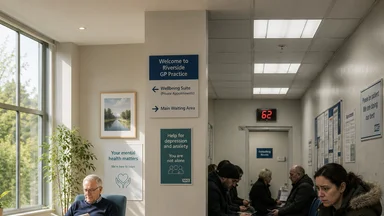
A 2024 survey of 500 GPs in England found that only one in three routinely discussed remission as a treatment goal with patients who had recently been diagnosed with type 2 diabetes. The majority said they mentioned it only if the patient raised weight loss first. Time constraints were the most commonly cited barrier—consultations of 10 minutes leave little room for a conversation about diet and lifestyle.
Referral forms themselves can be a barrier. Many local formularies require a BMI above 40, or the presence of complications such as hypertension or sleep apnoea, before a patient can be referred to Tier 3 services. This excludes a large group of patients with a BMI of 35–40 who might still benefit from structured support. Some forms also require that the patient has tried and failed at least two commercial weight-loss programmes, which adds a delay of months or years.
The very low-calorie meal replacement programmes used in the NHS pilot are not universally available. In some areas, the only option is a generic dietetic referral, which may not include meal replacements. A 2025 audit by the Association of British Clinical Diabetologists found that only 60% of CCGs had commissioned a remission-focused programme, and many of those had limited capacity.
Training also lags. Medical school curricula cover diabetes management but rarely include the mechanics of how to achieve remission through diet. A 2023 study of GP training programmes found that fewer than 20% included any formal teaching on very low-calorie diets or remission. Without that knowledge, it is hard for clinicians to feel confident discussing the option with patients.
Wealth Gradient Shapes Who Gets Referred
Access to weight management programmes follows a familiar pattern of inequality. Patients living in the most deprived quintile of England are roughly 40% less likely to be referred to Tier 3 services compared with those in the least deprived quintile, even after adjusting for BMI and comorbidities. This gap has persisted for years and shows no sign of narrowing.
Private weight-loss clinics have stepped in to fill the gap for those who can afford them. Programmes such as Oviva and Liva Healthcare offer remote coaching with meal replacement products for around £300 per month. For patients on lower incomes, that is prohibitive. The NHS digital diabetes prevention programme, which is free, has higher uptake in affluent areas, partly because of better digital literacy and access to smartphones or broadband.
Stigma around obesity may also deter patients in lower-income settings from seeking help. Research from the University of Oxford found that people in deprived areas were more likely to report feeling judged by healthcare professionals about their weight, which made them less likely to engage with weight management services. The same study found that GPs in these areas were less likely to raise the topic of weight at all, perhaps to avoid causing offence or because they assumed the patient would not be interested.
The effect is cumulative. A patient in a deprived area who is never offered a referral misses the window of opportunity when remission is most likely—within the first few years of diagnosis. By the time they are referred, often through a complication such as a foot ulcer or a cardiovascular event, the chance of remission is much lower.
What the Evidence Says About Sustaining Remission
Weight regain after the initial intervention is common. In the DiRECT trial, participants regained roughly 5–7 kg on average in the year after the meal replacement phase ended. By two years, about a quarter of those who had initially achieved remission had relapsed. The challenge is not getting the weight off; it is keeping it off.
Maintenance strategies are an active area of research. Structured follow-up with regular weigh-ins, dietary counselling, and peer support groups appears to help. The NHS is piloting a two-year maintenance phase that includes monthly group sessions and access to a dietitian. Early results from a 2025 evaluation suggest that participants who attended at least 70% of sessions regained less weight than those who did not.
Pharmacotherapy is another tool. Semaglutide 2.4 mg (Wegovy), a GLP-1 receptor agonist, has been shown in the STEP 5 trial to reduce weight regain by roughly 10% when added to lifestyle intervention after initial weight loss. The drug is now approved in the UK for weight management, but access on the NHS is restricted to patients with a BMI over 35 and at least one weight-related comorbidity. Many patients who achieved remission through a meal replacement programme do not meet that threshold, leaving them without a pharmacological option.
Long-term data beyond three years are still scarce. The Counterbalance team is following participants for up to five years, but results are not yet published. What is clear is that remission is not a cure; it is a state that requires active maintenance. Without ongoing support, the default is to regain weight and lose remission.
Practical Steps to Close the Referral Gap
Updating local referral criteria to match the 2023 NICE guidance would be a straightforward first step. That means lowering the BMI threshold from 40 to 27 for people with type 2 diabetes, and removing requirements for prior failed attempts at commercial programmes. Some CCGs have already done this, and early data show a 30–40% increase in referrals within six months.
Training primary-care staff to offer brief weight-loss advice could also help. A 2024 pilot in Manchester trained practice nurses to deliver a 10-minute consultation on the benefits of remission and the steps to access a programme. Referral rates from those practices doubled compared with controls. The training itself took two hours and cost roughly £50 per nurse.
Integrating metabolic health nurses into GP surgeries is another model being tested. These nurses can see patients for longer appointments, provide dietary advice, and initiate referral pathways without requiring a GP appointment. Early evidence from a pilot in the East Midlands suggests that this approach reduces the time from diagnosis to referral from an average of 18 months to 3 months.
Monitoring referral rates by deprivation quintile at the CCG level would create accountability. Currently, most CCGs do not track referral rates by socioeconomic status, so the gap remains invisible. A few areas, such as London's North West CCG, have started publishing quarterly data on referral equity, and have seen a gradual narrowing of the gap as a result. If other CCGs followed suit, the pressure to address inequalities would increase.
None of these steps is expensive or radical. They represent a catch-up between what the evidence shows is possible and what the system currently delivers. The gap is not a failure of science; it is a failure of implementation.
Trade-Offs and Unanswered Questions
While the case for expanding remission-focused programmes is strong, there are trade-offs worth considering. First, the very low-calorie diet is not suitable for everyone. People with a history of eating disorders, those who are underweight, or individuals with certain medical conditions such as advanced kidney disease may be excluded. The NHS screening process is designed to identify these contraindications, but some patients may be unnecessarily discouraged if the criteria are applied too rigidly.
Second, the cost of meal replacement products is not trivial. The NHS pays roughly £300 per patient for a 12-week supply of soups and shakes. If referral rates rose to meet demand, the total cost could strain local budgets. A 2024 health economics analysis by the University of York estimated that scaling up the programme to cover 20% of eligible patients would cost roughly £50 million per year in England. While this is likely cost-effective in the long run—given savings on diabetes medications and complications—it requires upfront investment that some CCGs may be reluctant to make.
Third, there is a risk of over-medicalising weight loss. Some critics argue that the focus on remission may reinforce the idea that weight is purely a matter of willpower, when in fact genetic, environmental, and social factors play a large role. The very low-calorie diet is a short-term intervention; without addressing the underlying causes of obesity—such as food deserts, stress, and lack of physical activity—the gains may be temporary. A more comprehensive approach would combine remission programmes with policies to improve the food environment, such as restrictions on junk food advertising and subsidies for healthy foods.
Fourth, the evidence on remission in ethnic minority populations is limited. Most trials, including Counterbalance and DiRECT, enrolled predominantly white participants. A 2025 sub-analysis of the DiRECT trial found that South Asian participants lost less weight on average and had lower remission rates than white participants, though the numbers were small. Culturally adapted programmes, such as those using familiar foods and community-based delivery, are being tested but are not yet widely available. Until the evidence base expands, it is unclear whether the same remission rates can be achieved across all ethnic groups.
Finally, there is the question of what happens after the maintenance phase ends. The NHS pilot includes two years of follow-up, but beyond that, patients are discharged back to their GP with no structured support. A 2025 modelling study from the University of Cambridge suggested that without indefinite maintenance, 70% of patients who achieve remission will relapse within five years. This raises the uncomfortable possibility that remission programmes may simply delay, rather than prevent, the progression of diabetes for many patients. Proponents argue that even a few years of remission reduces the risk of complications and improves quality of life, but the long-term cost-effectiveness remains uncertain.
These trade-offs do not negate the value of remission programmes, but they highlight the need for careful implementation and ongoing evaluation. The evidence is clear that remission is possible; the challenge is to make it sustainable and equitable.
This article is for informational purposes only and does not constitute personalised medical advice. Readers should consult their healthcare provider before making any changes to their diabetes management.